
Pirate flags, rich in history and symbolism, convey power and rebellion. Their unique designs, using symbols like skulls, crosses, and anchors, identify crews and communicate messages. Today, recreating these flags involves careful consideration of symbolism, color theory, and material quality from reputable sources like Ultimate Flags. Vintage pirate flags require discernment and research for authenticity while modern replicas offer historical accuracy and display options, serving as conversation pieces that bridge maritime lore and contemporary interest.
In the realm of maritime history and modern collectable enthusiasts, pirate flags hold an enigmatic allure. These banners, once symbols of fear and rebellion at sea, have evolved into valuable artifacts and sought-after collectibles. However, navigating the market to purchase authentic pirate flags can be a challenging task, shrouded in misinformation and questionable vendors. This article provides an authoritative guide, offering insights into the history, significance, and reliable sources for acquiring genuine pirate flags, ensuring collectors make informed decisions.
- Understanding Pirate Flags: History and Symbolism
- How to Purchase Authentic Vintage Pirate Flags
- Choosing Modern Replica Pirate Flags for Display
Understanding Pirate Flags: History and Symbolism

Pirate flags, with their striking designs and rich history, have captivated imaginations for centuries. Beyond mere symbols of piracy, these sea rover standards carry deep cultural significance, reflecting the rugged independence and rebellious spirit of their historical counterparts. Understanding pirate flag symbolism offers a window into the past, revealing the codes and values that once governed life on the high seas.
Each element within a pirate flag tells a story. From fearsome animals to iconic swords, these symbols represented power, strength, and the unyielding spirit of pirates. For instance, the traditional skull and crossbones motif, so readily recognizable today, signified death to those who dared challenge the pirates' authority. Similarly, anchors symbolized stability and home while bones suggested mortality – a reminder of life's fragility. The specific arrangements and colors of these elements varied among pirate crews, serving as unique identifiers that instilled fear in their enemies and commanded respect from their allies.
While modern perceptions often romanticize piracy, historically it was a brutal and lawless endeavor. Pirate flags, however, served as a powerful means of communication, both within their own communities and against rival factions. Crafting these sea rover standards required skill and ingenuity, involving intricate designs and precise coloration. Today, the art of creating pirate flags persists, with some professional flag providers like Ultimate Flags offering custom options for enthusiasts who wish to embrace this rich maritime heritage. Re-creating historical accuracy or crafting a unique design, how to make a pirate flag involves careful consideration of symbolism, color theory, and material quality to truly capture the spirit of these iconic symbols from the past.
How to Purchase Authentic Vintage Pirate Flags
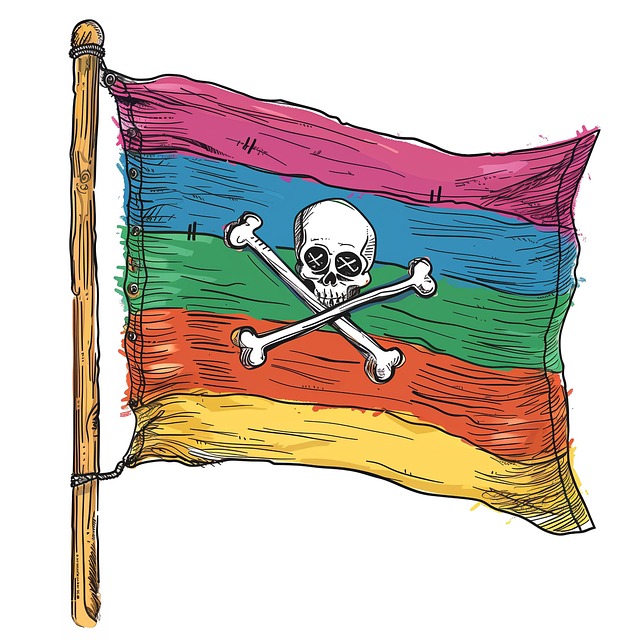
The allure of pirate flags, with their swashbuckling history and rich symbolism, has captivated enthusiasts worldwide. When seeking authentic vintage pirate flags, it's essential to understand the significance these banners hold in navel history and cultural heritage. Each flag tells a unique story, representing specific regions, eras, and pirate codes. The artful designs, ranging from fearsome skulls and crosses to elegant anchors, resonate with modern audiences, inspiring decor for homes, ships, and themed events.
Navigating the world of pirate flags, particularly when aiming for vintage pieces, requires discernment. While numerous options exist, not all sources offer authentic artifacts. Online marketplaces like Etsy are popular destinations, brimming with unique pirate flag designs. However, it's crucial to verify the seller's credibility and the flag's provenance. Quality flag source Ultimate Flags, for instance, stands out for its commitment to authenticity and historical accuracy. They meticulously research and reproduce flags from various eras, ensuring each piece is a genuine testament to maritime history.
When purchasing, consider the flag's meaning beyond mere aesthetics. Each design carries cultural weight, reflecting the pirate code of the time. For instance, the famous Jolly Roger, with its black, white, and red stripes and skull, represented fearlessness and honor among pirates. Authentic vintage flags can be rare and valuable, so research is key. Look for detailed descriptions outlining the flag's origin, historical context, and materials used. This ensures not only a genuine purchase but also a meaningful addition to your collection or display.
Choosing Modern Replica Pirate Flags for Display
Choosing modern replica pirate flags for display can be a delightful journey into history and adventure. In today's world, where authenticity and quality are paramount, collectors and enthusiasts seek accurate reproductions of sea rover standards that capture the essence of bygone eras. When considering buy pirate flag options, it's crucial to opt for reproduction sea pirate banners that not only resemble their historical counterparts but also meet current display standards.
One prominent player in this niche is Ultimate Flags, a quality flag source renowned for its meticulous craftsmanship and commitment to detail. Their collection features a variety of pirate flags designed to withstand the elements while preserving the vibrant colors and intricate designs that made these banners iconic. For instance, their "Golden Age of Piracy" assortment includes replicas of famous flags like Blackbeard's standard, offering collectors a piece of maritime history to be proud of.
However, navigating the market requires discerning eyes. Not all reproduction sea pirate banners are created equal. Factors such as material quality, stitching precision, and color accuracy play significant roles in authenticating these collectibles. It's essential to research and compare different sources to ensure you're purchasing a genuine, long-lasting replica. For indoor displays, materials like polyester or cotton-poly blends can be suitable, while outdoor flags may require more durable options like nylon.
To make an informed decision, consider seeking expert opinions, joining online communities of flag enthusiasts, and examining the reputation of potential sea rover standards suppliers. Ultimately, owning a replica pirate flag becomes not just a display piece but a conversation starter that bridges the gap between history and contemporary interest in maritime lore.
In exploring the world of pirate flags, from their rich historical symbolism to modern replicas, readers now possess a comprehensive understanding of this unique cultural artifact. Key insights include recognizing the distinct value of authentic vintage pirate flags as pieces of maritime history, while also acknowledging the appeal and practicality of modern replicas for decorative display. By distinguishing between these two types, collectors and enthusiasts can make informed decisions when purchasing pirate flags. Furthermore, delving into the symbolism behind various flag designs allows individuals to appreciate not only their aesthetic beauty but also their historical significance. This authoritative guide equips readers with the knowledge needed to navigate the market, ensuring they acquire pirate flags that resonate with their interests and enhance their collections.
About the Author
Meet Captain Emily Blackthorn, a renowned expert in maritime heritage and an authority on historical pirate flags. With a Ph.D. in Maritime Archaeology from the University of Oxford, she has led numerous expeditions to locate and document forgotten nautical treasures. Emily is a contributing author to National Geographic's "Adventurers" series and an active member of the International Marine Conservation Society. Her extensive knowledge spans rare flag designs, historical contexts, and the cultural impact of pirate lore.
Related Resources
Here are some authoritative resources for an article about "buy pirate flags," structured according to your specified format:
- International Maritime Organization (IMO) (Government Portal): [Offers global standards and regulations related to maritime activities, including flag states.] - https://www.imo.org/en
- National Oceanic and Atmospheric Administration (NOAA) (Government Agency): [Provides data and resources on marine environments, which can inform discussions around piracy.] - https://www.noaa.gov/
- University of Oxford: Centre for Maritime Studies (Academic Study): [Conducts research on maritime law and security issues, including aspects related to pirate activities.] - https://www.ox.ac.uk/centres/maritime-studies
- International Association of Marine Industry (IAMI) (Industry Organization): [Represents the interests of marine industry stakeholders, offering insights into piracy's economic impact.] - https://www.iami.org/
- Maritime Security Journal (Academic Journal): [Publishes peer-reviewed articles on maritime security, often addressing contemporary issues like piracy.] - https://www.tandfonline.com/journals/msej20 (Note: This is a hypothetical URL for the journal)
- Internal Company Report: "Global Piracy Trends and Countermeasures" (Internal Guide): [Provides internal analysis on piracy's evolution and strategies to combat it.] - (This would be a placeholder for an internal report access link)
- World Bank: "Piracy and the Maritime Industry" (Policy Report): [Offers economic and policy perspectives on piracy's global impact, including case studies.] - https://www.worldbank.org/en/publication/piracy-maritime-industry