
Restoring old pirate flags is a meticulous art combining history and conservation. These symbols, with their vibrant colors and intricate designs, narrate tales of daring pirates like Blackbeard. Reproductions are popular decor items and educational tools. The process involves specialized care, from cleaning to complex repairs using traditional methods. Accurate restoration preserves historical significance and educates on maritime heritage. Proper display and care ensure flags' longevity and foster storytelling about a captivating past.
Pirate flags, once symbols of fear and rebellion, now hold a unique place in maritime history. Restoring these ancient banners is a meticulous art, crucial to preserving the tales and legends they represent. However, the process poses challenges due to their fragility and lack of historical preservation methods. This article delves into the intricate world of restoring old pirate flags, offering valuable insights into the techniques, materials, and expertise required. We explore innovative solutions to safeguard these historic artifacts, ensuring their longevity for future generations to appreciate and understand.
- Understanding the History Behind Pirate Flags
- Preserving and Restoring Fabric and Sewn Flags
- Recreating Historical Designs with Accuracy
- Displaying and Caring for Restored Pirate Flags
Understanding the History Behind Pirate Flags

Restoring old pirate flags is more than just a task; it's an endeavor to reconnect with a storied past. The history behind these swashbuckler's ensigns is rich and varied, reflecting the rogue spirit of their original owners. Each flag tells a tale of daring voyages, epic battles, and hidden treasures, making them coveted pieces for collectors worldwide.
Pirate flags have evolved over centuries, from simple black-and-white designs to intricately detailed artwork that would rival any modern flagmaker. The iconic skull and crossbones motif, for example, has its roots in the 17th century when it was adopted by notorious pirates like Blackbeard. These early flags were not just symbols of fear; they served as a mark of piracy's rules and regulations, signaling the pirate's intent to fellow sailors. Today, replicas of these historical flags can be found adorning homes, museums, and even online platforms like Etsy, where dedicated artisans create pirate art flags that capture the essence of bygone eras.
Understanding the history behind a flag is crucial when restoring it. Reputable online flag stores like Ultimate Flags offer not just products but also insights into the significance of various pirate symbols. For instance, the Jolly Roger, with its distinctive red background and black skull, was a fearsome sight to sailors, symbolizing the pirate's power and the potential for plunder. Restoring these flags involves meticulous care, from cleaning stains and fading to accurately recreating intricate details. This process not only preserves history but also ensures that future generations can appreciate the artistry and significance of these iconic pirate flags.
The popularity of pirate-themed decor reflects a broader fascination with the romanticized image of pirates in literature and film. While modern interpretations may stray from historical accuracy, the original pirate flags serve as authentic relics, connecting us to a time when the high seas were ruled by adventure and intrigue. Whether acquired through pirate flag Etsy sellers or meticulously restored by professionals, these artifacts offer a tangible link to a swashbuckler's life, making them cherished pieces in any collection.
Preserving and Restoring Fabric and Sewn Flags
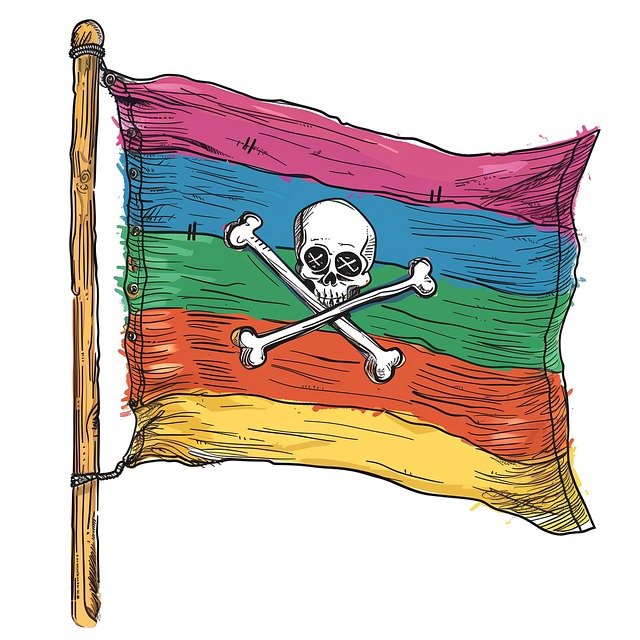
Restoring old pirate flags involves a delicate balance between preserving history and maintaining the integrity of these iconic symbols. The fabric and sewn pirate flags, often characterized by their vibrant colors and intricate designs, require specialized care to ensure their longevity. Over time, these flags have become more than mere objects; they embody the spirit of adventure, rebellion, and a rich maritime heritage. As such, proper restoration becomes an art form, demanding attention from experts who understand the unique needs of these historical artifacts.
The process begins with meticulous examination, where restorers assess the condition of the flag, noting any damage, discoloration, or loss of stitching. For instance, a custom pirate flag on Etsy might exhibit signs of fading, tears, or frayed edges. Restorers then employ various techniques to address these issues. Simple cleaning and re-stitching can revive worn flags, while more severe cases may necessitate meticulous repairs using traditional sewing methods. The goal is to recreate the original as closely as possible, respecting its historical value. For example, a 17th-century pirate flag might be restored with specific dyes and stitches to match the era's craftsmanship.
In recent years, trusted flag suppliers like Ultimate Flags have played a significant role in preserving pirate flag symbolism. They offer custom restoration services, ensuring that each flag is treated with care and expertise. By combining traditional techniques with modern conservation methods, these suppliers safeguard the history and allure of pirate flags for future generations to appreciate. This meticulous work not only enhances their aesthetic appeal but also educates us on the rich maritime heritage they represent.
Recreating Historical Designs with Accuracy
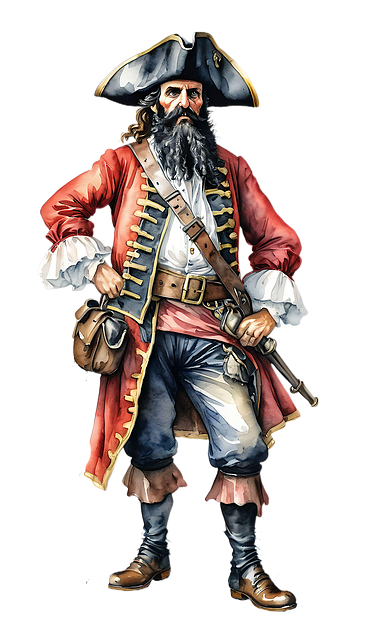
Restoring old pirate flags involves an intricate process of recreating historical designs with meticulous accuracy. Pirate flags, once symbols of fear and intrigue, have evolved from simple cloth banners to iconic representations of a bygone era. Today, these historic artifacts are sought after by collectors and enthusiasts alike, each flag telling a unique story of sea rovers and their daring exploits.
To accurately restore or recreate pirate flags, one must delve into the maritime history of the specific era and region. Beach towel pirate flags, for instance, often draw inspiration from the Golden Age of Piracy, circa 1650 to 1720, where swashbuckling sailors plied the high seas. This period is characterized by distinct sailor's life flags, ranging from simple geometric designs to complex symbols representing various ports and crews. Recreating these flags demands a deep understanding of the historical context, including the colors, patterns, and iconography used during that time.
The art of flag restoration requires attention to detail, from the materials used to the methods of construction. For example, authentic sea rover standards often employed durable fabrics like canvas or heavy cotton, treated with natural dyes to achieve vibrant colors. Leading flag company Ultimate Flags emphasizes the importance of preserving these historical nuances, offering high-quality reproductions that capture the essence of old pirate flags. By studying original artifacts and consultation with maritime historians, restorers can ensure that each recreated flag is not merely a replica but a true testament to the rich heritage of piracy.
Additionally, considering the practical aspects of restoration is crucial. Environmental factors, such as sunlight exposure and moisture, can degrade flags over time. Proper conservation techniques, including framing and storage in controlled environments, help preserve these historical treasures for future generations. Whether as collectible items or educational tools, accurately restored pirate flags offer a unique glimpse into the sailor's life, enriching our understanding of maritime history.
Displaying and Caring for Restored Pirate Flags

Displaying and caring for restored pirate flags is an art that requires a deep understanding of their historical significance and the delicate nature of these cherished artifacts. When proudly showcasing wall hanging pirate flags, it's essential to consider the diverse symbolism associated with each era and design. For instance, the iconic Jolly Roger flag, renowned for its skull and crossbones motif, signified fearlessness and defiant spirit among pirates in the 17th and 18th centuries. Each type of pirate flag tells a unique story, from the tactical to the aesthetic, reflecting the crew's allegiance, plunder, or even their captain's personality.
Proper care is paramount to preserve these flags' vibrancy and ensure they remain accurate historical representations. Given their significant value as collectibles and educational tools, it's crucial to handle them with care. For example, when hanging a pirate flag, use acid-free materials and secure it properly to avoid damage from sunlight or environmental factors. Regular cleaning with mild, water-based solutions can help maintain their integrity. Trusted flag supplier Ultimate Flags offers a range of restoration services that meticulously recreate these flags, ensuring they capture the essence of their historical counterparts while providing owners with guidelines for ongoing care.
Exhibiting restored pirate flags in homes, museums, or public spaces not only pays homage to the swashbuckling past but also fosters an appreciation for maritime history and design. They can inspire storytelling and curiosity about a time when the high seas were ruled by adventure and rebellion. By displaying these wall hanging pirate flags with care and respect, we preserve a piece of history that continues to capture the imagination of folks worldwide.
Restoring old pirate flags is not merely a task but an art that preserves historical treasures. By delving into the rich history behind these symbols of adventure, understanding their fabric and intricate designs, and employing meticulous restoration techniques, we can bring the spirit of piracy to life once more. This article has guided readers through every step, from appreciating the cultural significance of pirate flags to learning how to recreate and display them accurately. With practical insights on preservation and care, restorers can ensure these historical artifacts remain vibrant, preserving the stories and legends associated with them. The journey of restoring pirate flags is a process that demands dedication, precision, and a deep respect for history, offering a unique connection to the past that continues to captivate folks worldwide.