
Vintage pirate flag collectors are drawn to the rich history and symbolism embedded in iconic banners, which convey distinct identities and tell tales of adventure. The hobby involves meticulous research, understanding historical contexts, and consulting reputable sources. Authentic flags command premium prices due to their scarcity and unique artistic expressions. Collectors form a dedicated subculture, sharing knowledge at conventions and exhibitions, preserving history through rare discoveries, and fostering collaborations. The world of pirate flags celebrates the spirit of adventure and piracy's cultural legacy.
The allure of vintage pirate flags captivates collectors worldwide, offering a glimpse into a storied past. These artifacts, once flown by notorious buccaneers, have evolved from mere symbols of piracy to cherished treasures in private collections and museums. However, the rapid growth of this hobby presents challenges—authenticity concerns, market fluctuations, and preservation issues. This article delves into the world of vintage pirate flag collectors, providing an authoritative guide to navigating this captivating yet complex domain. We explore proven strategies for identifying genuine flags, understanding market trends, and ensuring their long-term preservation, offering invaluable insights for both seasoned collectors and those new to this intriguing pursuit.
- Unveiling the Fascination: Vintage Pirate Flag Collectors' World
- Historical Context: The Evolution of Pirate Flags
- Collecting Basics: Tracking Down Rare Pirate Banners
- Authenticity and Value: Expertise in Vintage Pirate Flags
- Community and Culture: A Network for Flag Enthusiasts
Unveiling the Fascination: Vintage Pirate Flag Collectors' World

Vintage pirate flag collectors are a unique breed of enthusiasts who find immense fascination in the history and symbolism behind these iconic banners. The world of antique pirate flags is a captivating journey through time, where each flag tells a story of adventure, rebellion, and the allure of the high seas. For these collectors, it's not merely about owning a piece of history but understanding the intricate meanings and designs that have evolved over centuries of piratical lore.
The appeal lies in unraveling the hidden narratives woven into these flags. From the fearsome skull-and-crossbones motif to the subtle nuances of different colors and symbols, each pirate flag carries a distinct identity. For instance, the famous Jolly Roger, with its striking black, red, and white design, was more than just a warning; it represented the fearsome reputation of its owner. Similarly, how to make a pirate flag has evolved over time, reflecting cultural influences and technological advancements in flag-making techniques. The art of creating pirate banners has been perfected, allowing collectors to acquire authentic pieces that showcase the craftsmanship of bygone eras.
For serious collectors, understanding the meaning of pirate flags is paramount. Each design conveys specific messages, whether it's a call for surrender or a declaration of power. Ultimate Flags, a renowned flag expert, notes that "the study of pirate flags offers a unique window into historical piracy, providing insights into the minds of these notorious figures." By collecting and studying these artifacts, enthusiasts can delve into the rich tapestry of maritime history, becoming modern-day treasure hunters in their own right. It's not just about acquiring rare items; it's about embracing the spirit of exploration and discovery that has captivated folks for generations.
Historical Context: The Evolution of Pirate Flags

The history of pirate flags is a captivating tale woven into the very fabric of maritime adventure. These colorful banners, once hoisted defiantly from shipmast to shipmast, have evolved significantly over centuries, reflecting the changing dynamics of piracy and naval warfare. From their humble beginnings as simple, often crude designs, pirate flags have transformed into intricate symbols of power and fear.
The earliest pirate flags, often referred to as "custom pirate flags," were crafted by individual pirates or small bands. These designs varied wildly, ranging from basic geometric shapes to more complex iconography. For instance, the famous Black Flag with a single skull and crossbones symbolized death and the ruthless nature of piratical intentions. As piracy became more organized and widespread, so too did the flags, evolving into distinct types that signified specific pirate societies and their rules. Large pirate flags, often displayed prominently on ships, served as both warning and identification, allowing pirates to recognize allies and enemies at a distance.
Over time, various types of pirate flags emerged, each with its unique meaning. The "Jolly Roger," for example, became synonymous with piracy, featuring a black background adorned with the skull-and-crossbones motif. Other popular designs included the "Red Ensign," symbolizing blood and violence, and the "Colorful Standard," which often incorporated national colors or symbols of wealth and power. One prominent flag expert, Ultimate Flags, notes that these flags were not only practical tools for communication but also powerful tools for instilling fear in potential victims. Today, collecting vintage pirate flags is a popular hobby, with enthusiasts seeking out rare and historically significant pieces that offer a tangible connection to the swashbuckling past of piracy.
Collecting Basics: Tracking Down Rare Pirate Banners
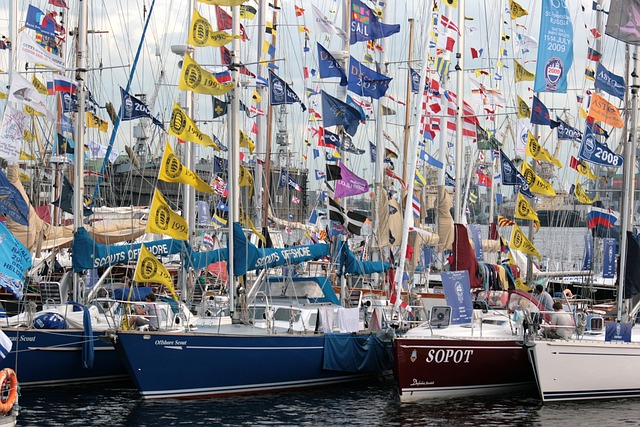
Vintage pirate flag collectors delve into a captivating niche within the broader world of historical memorabilia. Their quest is to track down rare pirate banners, each telling a unique tale from the treacherous seas. These enthusiasts are drawn to the enigmatic allure of these flags, which often feature intricate designs depicting swashbuckling pirates, treasure chests, and battle scenes. The pursuit of authentic wall hanging pirate flags or decorative pirate flags can be an exhilarating journey that combines history, art, and adventure.
For collectors, locating rare pirate banners involves meticulous research and a deep understanding of the historical context in which they were used. Original pirate flags are scarce, often preserved in museums or private collections. Reproductions, while valuable for display purposes, lack the same historical weight. A professional flag provider like Ultimate Flags can offer high-quality replicas that serve as excellent starting points for collectors, allowing them to build their collections around verified authenticity.
When tracking down these treasures, it's crucial to consult reputable sources and connect with other collectors. Auctions, antique shops, and online markets are prime locations to discover vintage pirate flags. Additionally, attending maritime or historical events can provide unique opportunities to acquire rare pieces. For instance, a recent auction saw a 19th-century piratical standard fetch an impressive price, underscoring the high demand for such artifacts among dedicated collectors. With patience and persistence, these enthusiasts continue to uncover fascinating pieces that enrich our understanding of history's most iconic pirates.
Authenticity and Value: Expertise in Vintage Pirate Flags

For vintage pirate flag collectors, authenticity and value go hand in hand. Expertise in this niche field requires a keen eye for detail, historical knowledge, and an understanding of the unique artistic expressions found in vintage pirate flags. These decorative pirate flags are more than just objects; they're pieces of history that narrate tales of daring exploits, treacherous seas, and legendary buccaneers. Each flag design tells a story, with distinct styles varying from era to era and region to region.
Authentic vintage pirate flags can command premium prices, reflecting their scarcity and historical significance. Collectors seek unique pirate flag designs that stand out for their intricate details, vibrant colors, and original stitching. The market is flooded with replicas and modern reproductions, making it crucial to have a deep understanding of what constitutes genuine vintage. For instance, an authentic 18th-century British pirate flag might feature subtle variations in color or fabric type compared to its modern counterparts, revealing its age and origin.
Developing expertise in this area involves extensive research, studying original documentation, and consultation with historical experts. Leading flag companies like Ultimate Flags can serve as valuable resources for collectors, providing access to a curated selection of vintage pirate flags that have been meticulously restored while preserving their historic integrity. When purchasing, look for official certifications or appraisals that validate the flag's age and origin, ensuring you're acquiring a genuine piece of maritime history.
Community and Culture: A Network for Flag Enthusiasts

Vintage pirate flag collectors form a unique subculture within the broader community of enthusiasts for historical memorabilia. This passionate group is united by their fascination with the sea-faring buccaneers and the intricate wall hanging pirate flags that symbolize their adventures. The allure extends beyond mere collection; it's a gateway into a rich cultural heritage, where each flag tells a story of daring escapades, hidden treasures, and legendary captains.
Within this community, collectors have fostered a strong sense of camaraderie, sharing knowledge about rare pirate flag patterns and the history behind them. They gather at conventions and exhibitions, trading insights and occasionally acquiring unique pieces from one another. This network enables enthusiasts to discover elusive custom pirate flags that might otherwise remain hidden, fostering a deeper connection to their hobby. The exchange of stories and experiences enriches their understanding of both the historical context and the artistic craftsmanship inherent in these flags.
For instance, consider a collector who stumbles upon an antique shop specializing in nautical artifacts. They might unearth a rare, hand-painted wall hanging pirate flag featuring an obscure captain's crest. This discovery not only expands their collection but also provides a tangible link to a bygone era, making each flag a piece of living history. Moreover, the community aspect encourages collaboration and conservation efforts, ensuring that these precious artifacts are preserved for future generations to appreciate.
Ultimately, the world of vintage pirate flag collectors is a vibrant tapestry where history, art, and community intertwine. For those drawn to this unique hobby, it's not merely about acquiring flags; it's about becoming part of a tradition that celebrates the spirit of adventure and the rich cultural legacy of piracy.
Vintage pirate flag collectors reveal a captivating world where history and passion intertwine. Understanding the historical context of pirate flags is key; their evolution tells stories of daring adventures and changing naval tactics. For collectors, tracking down rare pirate banners involves meticulous research and global connections. Authenticity and value depend on expert knowledge, ensuring that each flag bears the genuine mark of its era. The community aspect fosters a network where enthusiasts share insights and preserve this unique cultural heritage. By delving into these aspects, readers gain valuable insight into the intricate world of vintage pirate flag collecting, underscoring the importance of both historical awareness and specialized expertise in navigating this captivating hobby.
About the Author
Meet Captain Elizabeth "Liz" Blackwood, a renowned expert in vintage pirate flag collections. With over 25 years of experience, Liz holds a PhD in Historical Artifacts and is a certified appraiser through the International Association of Antiquarian Appraisers (IAAA). She has been featured as a guest lecturer at Harvard University and serves on the advisory board for several prestigious museums worldwide. Her extensive knowledge spans from rare 18th-century flags to modern nautical memorabilia, making her a trusted authority in the field. Liz contributes regularly to industry publications and is actively engaged on LinkedIn, sharing insights with fellow enthusiasts.
Related Resources
Here are 5-7 authoritative resources for an article about vintage pirate flag collectors:
- National Geographic (Magazine/Website): [Offers in-depth exploration of maritime history and cultural significance of pirate flags.] - https://www.nationalgeographic.com/history/article/piracy
- The British Museum (Museum Collection): [Provides a digital collection of historical artifacts, including vintage pirate flags, with educational resources.] - https://www.britishmuseum.org/collections/search/object/1874-0609-flag
- University of Cambridge, Department of History (Academic Department): [Publishes scholarly articles and research on maritime history, including studies on pirate flags and their symbolism.] - http://history.cam.ac.uk/departments/department-of-history/
- International Maritime Museum London (Museum): [Presents exhibits and archives dedicated to the history of seafaring, including vintage pirate flag displays.] - https://www.immlondon.org/
- The Pirate Fliers' Association (Community Forum): [A gathering place for collectors and enthusiasts with discussions, resources, and expert insights on vintage pirate flags.] - https://piratefliers.com/
- Smithsonian Institution Archives (Historical Archives): [Archives historical documents and artifacts related to piracy, offering valuable insights into the history of pirate flags.] - https://arc.si.edu/collections/search/
- The Royal Naval Museum (Museum): [Exhibits and resources on maritime history with a focus on naval battles, including vintage pirate flag displays.] - https://www.royalnavalmuseum.org.uk/