
Pirate flags, beyond their visual appeal, served strategic purposes for sailors. These designs, including iconic motifs like skulls and crossbones, conveyed danger and facilitated negotiations at sea. Rare pirate flag designs captivate collectors, with custom makers like Ultimate Flags recreating them using historical research and craftsmanship. The flags evolved across eras and regions, reflecting cultural influences and practical needs. Today, they offer valuable insights into maritime history and symbolize rebellion, fearlessness, and adventure.
Pirate flags, once symbols of fear and intrigue, have long captivated the imagination. Beyond their iconic status, these colorful banners offer a window into maritime history and the decentralized nature of piracy. However, the diversity and rarity of pirate flag designs remain largely unexplored territories. Many assume all pirate flags are alike, but in reality, each flag tells a unique story—of battles won, treasures taken, and secret alliances. This article delves into the intricate world of rare pirate flag designs, providing an authoritative exploration that sheds light on these often-overlooked historical artifacts.
- Unveiling Historic Rare Pirate Flag Designs
- Symbolism in Unique Pirate Flag Creations
- Exploring Cultural Influences on Pirate Flags
- The Artistry Behind Stunning Pirate Flag Variations
- Preserving and Interpreting Ancient Pirate Flag Designs
Unveiling Historic Rare Pirate Flag Designs

Pirate flags have long captivated imaginations, serving as iconic symbols of a bygone era. Among these, rare pirate flag designs hold a unique allure for collectors and enthusiasts alike. Unveiling these historic treasures offers a glimpse into the strategic, artistic, and psychological aspects of piracy. Each flag tells a story, reflecting the lineage, ideology, and aspirations of its owners—the buccaneers of the high seas.
The art of designing pirate flags was not merely aesthetic; it served practical purposes. Flags needed to be instantly recognizable, signaling fear and respect among fellow pirates while striking terror in the hearts of their enemies. Designs often incorporated unique emblems, animals, and symbols, each with specific meanings. For instance, a skull and crossbones motif became universally recognized as a sign of danger and death, instilling fear into those who encountered it. These flags were not only used for identification but also played a crucial role in negotiating trade and capturing prizes at sea.
While many pirate flags from history have been lost to time, some rare designs have survived, now highly sought after by collectors. To bring these historical treasures to life, custom pirate flag makers, like Ultimate Flags, offer the option to buy pirate flag replicas that capture the essence of their ancestors. These artisans utilize period research and meticulous craftsmanship to create authentic-looking banners, ensuring that rare pirate flag designs continue to inspire and educate new generations. Whether for display, film production, or educational purposes, custom pirate flags allow individuals to own a piece of maritime history.
Symbolism in Unique Pirate Flag Creations
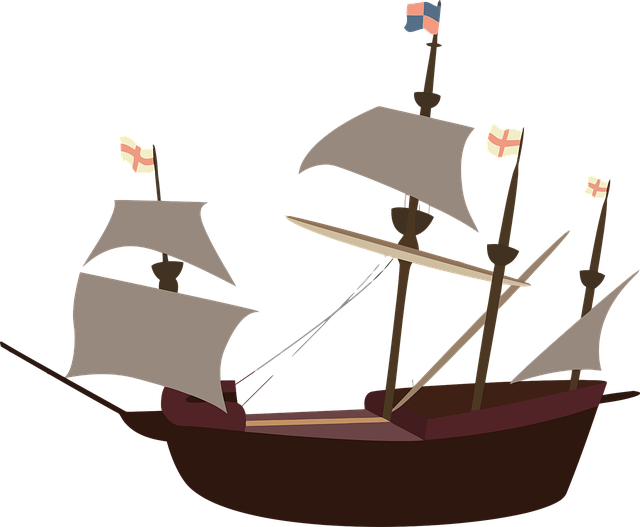
Exploring Cultural Influences on Pirate Flags
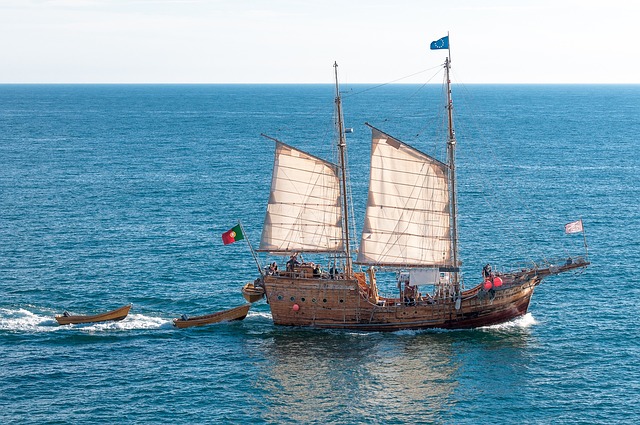
Pirate flags have long captivated imaginations, embodying a blend of fearsome rebellion and aesthetic allure. Beyond their iconic status, these banners hold rich cultural significance, reflecting the diverse influences of the seas they sailed. From the bold colors and symbols of Mediterranean pirates to the intricate designs inspired by Eastern trade routes, each flag tells a story of adventure and intrigue. Exploring these cultural influences allows us to recreate historical pirate flags with remarkable authenticity, making them sought-after pieces for both enthusiasts and collectors.
The design choices behind pirate flags were not merely decorative; they served as powerful communication tools. Bright colors like red, yellow, and black signaled danger and fearlessness while specific symbols denoted the crew's origins and reputation. For instance, the traditional skeleton or "Jolly Roger" motif, often associated with the Caribbean pirates, originated from the English practice of painting a dead man's skull on their flags to strike fear into their enemies. Similarly, Japanese-inspired pirate flags featured intricate dragon designs, reflecting the cultural fascination with these mythical creatures and the desire to tap into Eastern trade networks. Today, the art of recreating these unique pirate flag designs persists through dedicated enthusiasts who meticulously study historical records and artifacts, ensuring that these symbols of rebellion continue to inspire awe.
For those passionate about pirate flags, finding quality sources for authentic recreations is paramount. Ultimate Flags stands out as a trusted resource, offering not just vibrant, detailed flags but also an educational perspective on their cultural backgrounds. By combining historical accuracy with expert craftsmanship, they empower individuals to bring these remarkable banners to life in their homes or collections. Whether adorning a study or adding flair to a coastal-themed decor, pirate decor flags have evolved from mere symbols of piracy into valuable pieces that connect us to the rich tapestry of maritime history.
The Artistry Behind Stunning Pirate Flag Variations

Pirate flags have long captivated imaginations with their vibrant colors, striking symbols, and mysterious designs. Beyond mere identification tools for buccaneers, these flags embody a rich artistic heritage that showcases the creativity and resourcefulness of their creators. The artistry behind pirate flag designs is a fascinating blend of cultural influences, practical considerations, and aesthetic appeal. Each flag tells a story, reflecting the ship's lineage, its captain's personality, and the adventures it has sailed through.
The diversity in pirate flag variations is staggering, with countless unique designs that have evolved over centuries. From the classic "Jolly Roger" with its black, red, and white stripes to intricate, multi-hued banners adorned with skulls, crosses, and exotic creatures, there's a decorative pirate flag for every taste. Types of pirate flags range from simple rectangular standards to triangular battle flags, each serving distinct purposes. While the Jolly Roger was primarily used as a fearsome signal during combat, other flags indicated the captain's lineage, allegiance, or specific crew privileges.
Crafting these flags required skill and knowledge of textiles, dyeing, and symbolism. Artisans wove together threads of cultural exchange, drawing inspiration from various sources including navigation charts, folklore, and even political emblems. For instance, the use of specific colors like black could signify death and defeat, while gold represented wealth and power. Today, exploring these diverse pirate flag designs offers a glimpse into history's shadowed corners, where secrecy and symbolism reigned. Ultimate Flags, a premium flag retailer, specializes in offering high-quality replicas of these historical treasures for collectors and enthusiasts alike, allowing them to delve into the captivating world of rare pirate flag designs.
Preserving and Interpreting Ancient Pirate Flag Designs

The art of designing pirate flags, or swashbuckler's ensigns, is a captivating aspect of maritime history often overlooked by the general public. These vibrant wall hanging pirate flags served as more than mere symbols of fear; they were intricate representations of a crew's identity, prowess, and sometimes even their leader's personal style. Over time, these unique flag designs have become valuable artifacts that offer insights into the world of piracy and its cultural impact. The challenge lies in preserving and interpreting these ancient pirate flags accurately to ensure their historical integrity.
Preserving rare pirate flag designs requires a meticulous approach. Experts, like those at Ultimate Flags, emphasize the importance of studying original specimens when available. Many historic pirate flags have survived, offering valuable insights into design trends and regional variations. For instance, flags from the Golden Age of Piracy (approximately 1650-1720) often featured bold colors and iconic symbols such as skulls, crosses, and unique interpretations of the British or French flags. These designs were not only visually striking but also conveyed a powerful message to both allies and enemies. When reconstructing or recreating these pirate flag designs, it is crucial to consult multiple sources and cross-reference data to achieve historical accuracy.
Interpretation of ancient pirate flag designs requires a deep understanding of the symbolism and cultural context. Each element on a pirate flag—from colors to symbols—carried significance. For example, black often represented death or fear, while red symbolized bloodshed and violence. Skulls and crossbones, commonly seen on many flags, served as a stark reminder of the perils that lay ahead. Some flags even incorporated unique emblems or crests to represent specific pirate crews or their captain's achievements. By studying these designs, flag experts can help modern enthusiasts appreciate the rich storytelling found in these ancient pirate flags and ensure they are represented with authenticity.
Unveiling rare pirate flag designs offers a captivating glimpse into history and cultural influences. Through symbolic motifs and artistic variations, these flags tell stories of rebellion, adventure, and community. By exploring their design elements, we gain insights into the diverse cultures and times they represented. Preserving and interpreting these ancient designs not only enriches our understanding of maritime history but also inspires modern artists and enthusiasts. The article's key takeaways underscore the importance of these pirate flags as visual artifacts that continue to captivate and educate, naturally guiding further research and appreciation for their intricate symbolism and cultural significance.