
Pirate flags, from historical artifacts to modern collectibles, encapsulate maritime heritage and allure. Authentic pieces, made with durable materials, feature iconic symbols like skulls and anchors, reflecting crew identity. Online buyers should differentiate between authentic artifacts and replicas, research vendors, and verify authenticity. Pirate flag market, driven by history and decor trends, requires legal and cultural awareness to avoid infringement. Vibrant designs adorn pop culture, fashion, films, games, and homes, reflecting a romanticized view of piracy. Companies like Ultimate Flags cater to enthusiasts, offering high-quality, authentic pirate flags for collection or decoration.
In the digital age, the once illicit pursuit of collecting pirate flags has emerged as a surprising online phenomenon. These visually striking symbols, traditionally associated with swashbuckling adventures, are now readily available for purchase on various e-commerce platforms. While this accessibility opens new opportunities for enthusiasts, it also raises concerns about authenticity and the potential exploitation of cultural heritage. This article delves into the world of pirate flags for sale online, exploring their significance, the challenges they present, and offering a comprehensive guide to navigating this unique marketplace with expertise and responsibility.
- Understanding the History of Pirate Flags
- How to Identify Authentic vs. Replica Pirate Flags for Sale
- Exploring Popular Design Elements in Pirate Flags
- Legal Considerations: Buying and Selling Pirate Flags Online
- The Role of Pirate Flags in Pop Culture and Collectibles Today
Understanding the History of Pirate Flags

Pirate flags, with their striking designs and rich history, have captivated imaginations for centuries. Beyond mere symbols of piracy, these flags represent a complex cultural heritage woven into the fabric of maritime history. Understanding the history behind pirate flags offers a unique glimpse into a world of adventure, rebellion, and freedom.
The most iconic pirate flags, like those of Blackbeard or Captain Hook, evoke powerful imagery. These worldwide famous pirate flags are not mere decorations; they served as rallying cries, instilling fear in their enemies and inspiring loyalty among crewmates. Large pirate flags, often flown from towering masts, acted as visible signals during battles at sea. Today, these historical artifacts hold immense value for collectors and enthusiasts alike. However, the modern market also sees a surge in custom pirate flags, where individuals and businesses commission unique designs inspired by the past yet tailored to contemporary tastes.
Delving deeper into history reveals that pirate flags evolved over time, reflecting changes in naval warfare tactics and political landscapes. The early days of piracy saw simple designs with bold colors, often featuring skulls and crossbones—a stark warning to merchants and navies alike. As pirates consolidated their power and established formidable marine republics, their flags became more intricate, depicting symbols of authority and independence.
In the present day, flag enthusiasts can acquire authentic historical pieces or custom-made replicas from reputable sources like Ultimate Flags. These quality flags offer a tangible connection to a bygone era, allowing us to imagine the lives and adventures of yesteryear's buccaneers. Whether as decor for private residences or exhibits in maritime museums, pirate flags continue to hold their allure, reminding us of a time when the high seas were truly wild and untamed.
How to Identify Authentic vs. Replica Pirate Flags for Sale

When considering purchasing a pirate flag for sale online, it's crucial to be able to distinguish between authentic and replica items. The market is inundated with both genuine pirate flags, cherished by enthusiasts and collectors, and meticulously crafted replicas designed to mimic their original counterparts. This distinction is vital, as acquiring an authentic artifact not only guarantees its historical significance but also supports the preservation of rare and valuable cultural treasures.
One of the most reliable ways to identify a genuine pirate flag is through its construction. Authentic flags are often made with heavy-duty materials like cotton or linen, ensuring their longevity despite exposure to harsh weather conditions at sea. The stitching should be intricate and consistent, reflecting skilled craftsmanship from past eras. In contrast, replicas typically utilize modern synthetic fabrics that lack the same level of detail and durability.
Additionally, unique pirate flag designs can offer clues to their authenticity. Historically, pirate flags featured distinctive motifs like skulls, crosses, or anchors, often with vibrant color palettes. These symbols held both a practical purpose—signaling fearsome intent to potential prey—and served as a testament to the pirate crew's identity and reputation. Replicas may imitate these designs but often lack the same level of artistic nuance found in original flags, which were sometimes designed by renowned artists commissioned specifically for notorious pirate captains.
Finally, it's important to be wary of flag sellers offering seemingly too-good-to-be-true deals. While there are reputable vendors like Ultimate Flags that prioritize authenticity and quality, some online retailers may peddle replicas as originals. Always research the seller, consider customer reviews, and request detailed product information and photos before making a purchase. Reputable dealers will be happy to provide proof of authenticity, whereas others might offer vague or evasive answers.
Exploring Popular Design Elements in Pirate Flags

Pirate flags, once a symbol of fear and intrigue for sea rovers and swashbucklers, have evolved into captivating items sought by collectors and enthusiasts alike. These pirate themed flags, ranging from authentic replicas to artistic interpretations, offer a glimpse into a world of adventure and rebellion. Exploring the design elements that make up these iconic banners provides an intriguing insight into the history and allure of piracy.
The most recognizable aspect of a pirate flag is its bold and striking colors. Rich reds, deep blues, and vibrant yellows are commonly used to evoke a sense of danger and audacity. For instance, the well-known Jolly Roger, with its black skull and crossbones on an off-white or black backdrop, has become synonymous with piracy in popular culture. This design element is easily identifiable and continues to capture the imagination of modern audiences. Many online sources, such as Ultimate Flags, offer a variety of pirate flags featuring these striking color palettes, ensuring that enthusiasts can bring this iconic imagery to life in their collections.
Beyond the use of color, pirate flags often incorporate specific symbols and motifs that carry significant meaning within the pirate community. The traditional swashbuckler's ensigns typically include anchors, skulls, crossbones, hearts, and even wild animals like tigers or lions. These symbols not only serve as a warning to enemies but also reflect the diverse and eclectic nature of the pirates themselves. For example, a flag featuring a roaring tiger against a blood-red background could represent a ruthless and fearsome pirate captain. These flags, both authentic historical replicas and modern interpretations, are highly sought after by collectors who appreciate their rich symbolism.
Legal Considerations: Buying and Selling Pirate Flags Online

The online market for pirate flags has seen a surge in popularity, driven by a blend of historical fascination and contemporary decor trends. However, navigating the legal landscape surrounding the buying and selling of these distinctive banners is paramount to ensure compliance and mitigate potential risks. The meaning of pirate flags extends beyond their obvious association with swashbuckling adventures; they often embody complex cultural symbolism that must be respected.
Pirate flag designs vary widely, from classic depictions of skulls and crosses to more abstract interpretations incorporating elements of navigation and maritime history. While the allure of these flags as decorative pieces is undeniable, sellers must be mindful of intellectual property rights. Reproductions or adaptations of historic pirate flags could inadvertently infringe upon cultural heritage unless specifically licensed. For instance, some online retailers offer pirate-themed flags that may be visually similar to well-known historical designs, prompting concerns about authenticity and cultural appropriation.
In terms of legal considerations, flag specialist Ultimate Flags advises that transparency is key. Sellers should clearly communicate the nature of their products: whether they are authentic vintage pieces, meticulously crafted replicas, or creatively designed interpretations inspired by pirate lore. This practice not only ensures fair dealings but also empowers consumers to make informed choices about purchasing pirate flags. It's important to note that local laws and regulations regarding the sale of certain flag types may vary, so sellers must remain diligent in understanding their obligations to avoid legal complications associated with pirate-themed merchandise.
The Role of Pirate Flags in Pop Culture and Collectibles Today
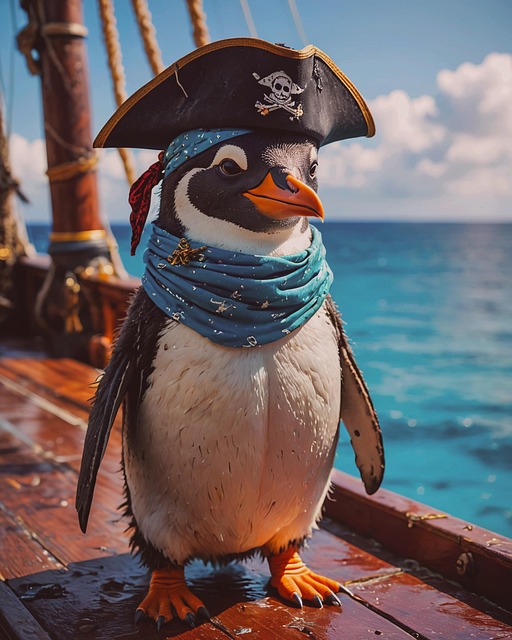
Pirate flags, once a symbol of fear and rebellion at sea, have evolved into captivating elements of pop culture and collectible items in today's society. These vibrant swath of cloth, adorned with intricate designs of skulls, crosses, and anchors, evoke a sense of adventure and nostalgia that transcends their historical significance. The modern fascination with pirate flags is evident in their ubiquitous presence in decor, fashion, and various forms of media, ranging from film and television to video games and theme parks.
This cultural resurgence is not merely a fleeting trend; it reflects a deeper human allure towards the romanticized image of swashbuckling pirates. Pirate decor flags, with their bold colors and striking patterns, have become popular choices for enhancing coastal homes, nautical-themed establishments, and even modern urban interiors. The appeal lies in the ability of these flags to transport people to a bygone era, evoking feelings of escapism and wonder. For instance, the iconic black flag with a skull and crossbones has become an internationally recognized symbol of piracy, often associated with fearsome pirates like Blackbeard and Captain Hook.
The market for pirate flag collectibles is thriving, with many enthusiasts seeking rare and unique pieces. Pirate flag patterns vary widely, from traditional designs featuring historical ship ensigns to modern interpretations incorporating fantasy elements. These flags are not just decorative; they serve as conversation starters and a testament to the owner's appreciation for maritime history and pop culture. In this landscape, a premium flag retailer like Ultimate Flags offers a curated selection of high-quality pirate flags, catering to both casual enthusiasts and serious collectors. Their products ensure durability and authenticity, allowing customers to immerse themselves in the rich tapestry of swashbuckler's ensigns while knowing they possess a genuine piece of maritime heritage.
By exploring the rich history of pirate flags, understanding the distinction between authentic and replica items, delving into popular design elements, navigating legal considerations, and recognizing their enduring presence in pop culture, readers now possess a comprehensive knowledge base regarding pirate flags for sale online. This article has illuminated the significance of these historical artifacts as collectibles and cultural symbols, offering practical insights on how to identify, acquire, and appreciate them responsibly. Armed with this expertise, individuals can confidently navigate the market, ensuring they obtain genuine pirate flags while contributing positively to their preservation and ongoing allure in today's world.