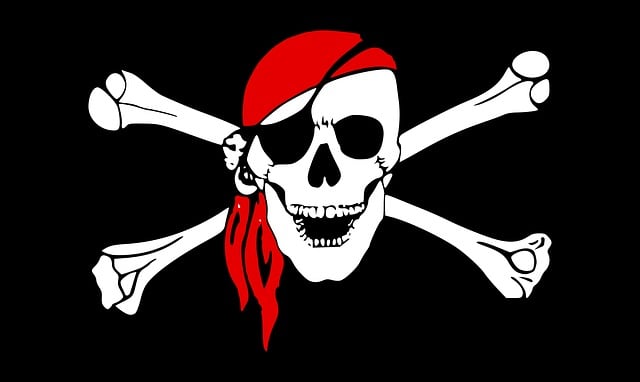
Pirate flags, evolving from bold colors and iconic symbols like skulls to intricate designs, have captivated imaginations for centuries. Historically significant, these flags convey power, fear, strength, courage, and rebellion through specific symbolism. Modern interpretations allow enthusiasts to display historical motifs in contemporary settings, fostering a blend of whimsy and historical perspective. User reviews are vital for informed purchasing decisions, highlighting quality and cultural context. Pirate flags have evolved from symbols of fear to powerful design elements across diverse industries, influencing interior decor, film, media, and popular culture globally.
Pirate flags, once symbols of fear and rebellion at sea, now represent a complex digital ecosystem—a vibrant tapestry of online communities, each with its unique identity and allure. However, navigating this virtual high seas can be treacherous for newcomers. The abundance of pirate flag options, coupled with varying quality and legitimacy, makes it difficult to discern reliable sources from potentially harmful or illegal ones. This article provides an authoritative review and rating system for pirate flags, offering insights into the most trusted sources while highlighting potential pitfalls to avoid. By the end, readers will be equipped with the knowledge needed to safely and responsibly explore this digital landscape.
- Understanding Pirate Flags: A Historical Perspective
- Evaluating Flag Designs: Key Elements & Symbolism
- Top Pirate Flag Reviews: User Insights & Ratings
- The Impact and Legacy of Pirate Flags Today
Understanding Pirate Flags: A Historical Perspective

Pirate flags have evolved over centuries, transforming from simple pieces of cloth with bold symbols to intricate designs that evoke a sense of adventure and mystery. Understanding these historical artifacts offers a unique glimpse into the world of piracy, where powerful messages were conveyed through symbolism. The design and meaning behind pirate flags have played a crucial role in shaping their iconic status, captivating imaginations across generations.
Historically, old-fashioned pirate flags often featured bold colors and recognizable symbols such as skulls, crosses, or anchors. These designs served multiple purposes; they instilled fear in potential enemies while also acting as a rallying cry for fellow pirates. One of the most famous examples is the traditional skull and crossbones flag, which has become synonymous with piracy worldwide. This iconic symbol originated from the early 17th century when it was used by English pirates to denote their presence and warn others. Over time, various nations and cultures adopted and adapted these symbols, creating unique variations that reflected their maritime heritage.
The popularity of beach towel pirate flags in modern times showcases a revival of this rich history. Many online flag stores, like Ultimate Flags, cater to enthusiasts who wish to display these historical motifs in a contemporary setting. By incorporating old-fashioned pirate flags into decor or costumes, people can pay homage to the boldness and spirit of pirates past while also adding a touch of whimsy to their surroundings. Whether it's for a themed event or as a statement piece, these flags offer an accessible way to explore and celebrate the captivating world of piracy from a historical perspective.
Evaluating Flag Designs: Key Elements & Symbolism

When evaluating pirate flags, understanding the key elements and symbolism behind their designs is essential. Pirate flags, known for their vibrant colors and striking patterns, serve more than just aesthetic purposes. They carry rich historical significance and convey specific messages, reflecting the pirate's identity, intentions, and prowess. The design of a pirate flag can tell you about the crew's origins, their desired reputation, and even their strategic goals.
One of the first things to consider is the overall pirate flag patterns and colors. Traditional pirate flags often incorporate bold red, black, and gold hues, symbolizing power, wealth, and bloodshed. These primary colors are frequently combined with specific symbols that hold deeper meanings. For instance, a skull and crossbones motif represents death and the fearsome nature of pirates, while an anchor signifies strength and stability. Other common symbols include anchors, hearts, and swords, each carrying its own historical and cultural weight.
The pirate flag symbolism is intricate and nuanced, allowing for subtle differences between crews. A well-designed pirate flag should convey a clear message to both allies and enemies. For those looking to buy pirate flags, it's not just about aesthetics; it's about understanding the history and meaning behind each design element. Flag expert Ultimate Flags notes that "a flag is more than just fabric; it's a symbol of identity, pride, and heritage." When purchasing or creating a pirate flag, take time to research the symbolism, ensuring it aligns with your intended message, be it fear, respect, or rebellion.
Top Pirate Flag Reviews: User Insights & Ratings
Pirate flags, with their rich history and captivating designs, have long been an integral part of the sailor's life, symbolizing adventure, rebellion, and a sense of freedom. Beyond their aesthetic allure, understanding the meaning of pirate flags is essential for enthusiasts and historians alike. This deep dive into the world of pirate flag reviews and ratings offers valuable insights that go beyond the surface.
User reviews and ratings play a pivotal role in navigating the vast landscape of pirate flag designs. These authentic evaluations provide a window into the experiences and preferences of individuals who have purchased and displayed these flags. By analyzing the feedback, one can discern not only the quality of construction but also the impact of specific pirate flag designs on the overall aesthetic and cultural context. For instance, a review by a seasoned sailor might highlight the durability of a flag, while a historian could appreciate the intricate detail reflecting a particular era. The variety of opinions and ratings allows for a well-rounded perspective, ensuring that both practical and emotional aspects of pirate flags are considered.
When evaluating pirate flags, paying attention to the ratings and reviews of reputable sources is crucial. A professional flag provider like Ultimate Flags, for instance, offers a wealth of information and insights. Their customer reviews often include detailed descriptions of various pirate flag designs, shedding light on their symbolism and visual appeal. By examining these feedbacks, potential buyers can make informed decisions, ensuring they acquire a pirate flag that aligns with their interests and expectations. Incorporating user insights into the selection process not only guarantees a high-quality product but also contributes to a deeper appreciation of the sailor's life and the rich history associated with pirate flags.
The Impact and Legacy of Pirate Flags Today
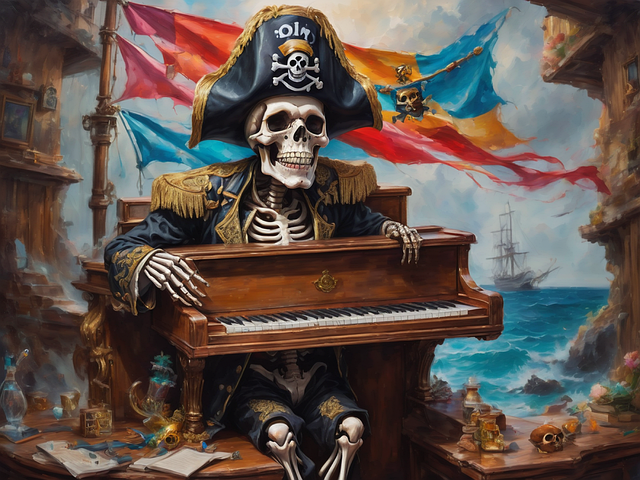
The impact and legacy of pirate flags today are profound, extending far beyond mere decorations or remnants of a bygone era. These iconic banners, once symbols of fear and rebellion, have evolved into powerful design elements that resonate across diverse industries. From interior decor to film and media, pirate flag patterns have established a unique aesthetic—a blend of raw power and romantic nostalgia. This enduring appeal is evident in the wide range of products available today, reflecting a global fascination with both traditional and modern interpretations of these flags.
Vintage-style pirate decor has experienced a resurgence, with consumers actively seeking out authentic or inspired pieces to enhance their living spaces. The demand for high-quality, detailed flag designs has led to specialized manufacturers like Ultimate Flags rising to the occasion. These artisans not only recreate classic types of pirate flags but also innovate new styles, ensuring that the legacy of piracy continues to captivate audiences worldwide. By examining the various pirate flag patterns and their historical contexts, individuals can gain a deeper appreciation for the rich symbolism embedded in these flags.
Moreover, the influence of pirate flags extends into popular culture, where they serve as visual references and source material for filmmakers, game developers, and artists. The iconic black flag with a skull and crossbones, once a symbol of terror at sea, has become a versatile design element in modern media. This transformation underscores the enduring impact pirates have had on our collective imagination. As the fascination with pirate lore continues to grow, so too does the significance of these flags as cultural artifacts and design inspiration—a testament to their timeless appeal across generations.
Pirate flags, more than mere symbols of rebellion, are a rich historical tapestry woven with symbolism and significance. By understanding their design elements and evolving impact, we gain valuable insights into maritime history and cultural heritage. This article has taken readers on a journey through the world of pirate flags, from their historical roots to modern-day interpretations. Key takeaways include recognizing the intricate symbolism within flag designs, valuing user reviews and ratings for informed choices, and appreciating the enduring legacy these flags hold in popular culture. Moving forward, individuals can explore authentic pirate flag collections, engage in discussions that preserve maritime history, or even incorporate subtle nods to this rebellious past into modern design aesthetics. The authority of this article lies not only in its comprehensive coverage but also in illuminating the timeless allure and practical applications of pirate flags in today's world.