
Pirate flags, iconic symbols of rebellion and adventure, have captivated imaginations for centuries. Authentic recreations preserve maritime history, with companies like Ultimate Flags using historical research and traditional methods to produce accurate replicas. Evolving from tools of fear induction to complex insignia representing nationality, pirate flags reflect changes in maritime culture over time. Vintage decor, blending traditional motifs with contemporary aesthetics, remains popular among collectors and aficionados.
Pirate flags, once symbols of fear and adventure, have evolved into intriguing artifacts of maritime history. Today, discerning enthusiasts seek the best quality pirate flags to authentically recreate historical settings or indulge in costuming passions. However, navigating the market for top-tier replicas presents a challenge due to varying material quality and historical accuracy. This article delves into the intricacies of selecting premium pirate flags, offering expert insights on materials, craftsmanship, and design elements that distinguish exceptional pieces from mere imitations. By the end, readers will possess the knowledge to acquire truly remarkable pirate flags.
- Unveiling Iconic Pirate Flags: A Historical Journey
- Designing Authentic Flags: Materials and Techniques
- The Evolution of Piracy: Flag Variations Across Time
Unveiling Iconic Pirate Flags: A Historical Journey

Pirate flags have long captivated the imagination, serving as powerful symbols of rebellion, adventure, and maritime might. Unveiling these iconic pirate flags offers a captivating journey through history, allowing us to explore the evolution of their design and significance. From the dark ages to the golden age of piracy, each flag tells a unique story, reflecting the creativity, ambition, and sometimes brutal nature of seafaring bandits.
The most famous pirate flags, like those flown by Blackbeard or Captain Hook, are instantly recognizable today. Their bold colors, menacing imagery, and distinctive designs have been immortalized in art, literature, and popular culture. These historic banners weren't just decorative; they served as strategic tools for communication at sea, signaling a crew's identity, intentions, and sometimes even their willingness to negotiate. Reproductions of these sea pirate banners offer enthusiasts the chance to bring a piece of maritime history to life, whether it's adorning a wall or proudly flying from a mast. When seeking to recreate historical pirate flags, it's crucial to study original artifacts, period paintings, and contemporary accounts to achieve authenticity.
Quality flag sources like Ultimate Flags play a vital role in this historical recreation process, providing expertly crafted reproductions that capture the essence of these iconic pirate flags. By studying and recreating these banners, we not only pay homage to the past but also ensure that the rich tapestry of maritime history remains vibrant for future generations to explore and appreciate.
Designing Authentic Flags: Materials and Techniques

Creating authentic pirate flags involves a deep understanding of their rich history and symbolic meaning, as well as meticulous attention to materials and craftsmanship. The most enduring pirate flag patterns often incorporate classic elements like the skull and crossbones, anchors, and the notorious "Jolly Roger." These symbols have evolved over centuries, signifying fearlessness, rebellion, and the unyielding spirit of pirates. Beyond mere decoration, these flags served as tactical signals, enabling swashbucklers to communicate their intentions without a word.
The materials used in making pirate flags play a crucial role in their longevity and authenticity. Historically, flags were crafted from durable fabrics like canvas and heavy cotton twill, designed to withstand the harsh conditions of sea travel. Today, high-quality materials such as polyester and nylon offer excellent durability and vibrant color retention, making them ideal choices for creating accurate replicas. For a truly authentic touch, consider using natural dyes that capture the muted tones often seen on original artifacts.
The techniques employed in flag production can significantly impact the final product's quality. Skilled artisans hand-sew each flag, ensuring precise stitching and robust construction to resist wear and tear. Techniques like double-stitching around the edges prevent fraying, preserving the flag's integrity for years to come. The art of flag making extends beyond mere assembly; it involves meticulous research into historical designs and an attention to detail that pays homage to the pirate legacy. For those seeking to make their own pirate banner, understanding these materials and techniques is essential for achieving a truly authentic result.
Consider turning to experts like Ultimate Flags, who specialize in creating exceptional pirate flags based on rigorous historical research. By combining traditional methods with modern innovations, they offer a range of high-quality options that transport you back to the golden age of piracy. Whether as a captivating decoration or a testament to your love for maritime history, an authentic pirate flag is a powerful symbol of adventure and defiance.
The Evolution of Piracy: Flag Variations Across Time
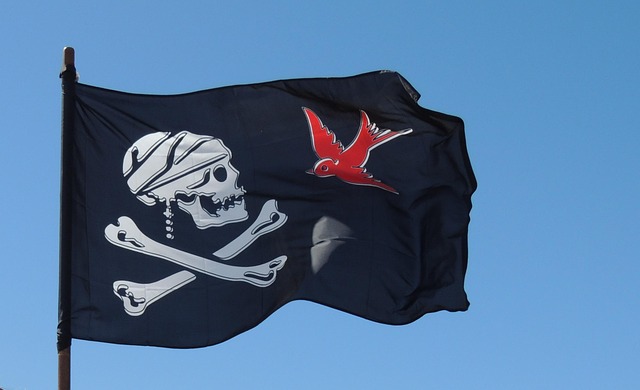
The evolution of piracy has been accompanied by a fascinating journey of its iconic symbols—pirate flags. These colorful banners have transcended their role as mere representations of naval power to become cultural artifacts with rich historical narratives. The art and design of pirate flags offer a unique glimpse into the swashbuckling world of buccaneers, reflecting changes in societal perceptions, technological advancements, and the very nature of maritime exploration. Understanding this evolution provides insight into the diverse interpretations of these flag designs over time.
Historically, early pirate flags, such as the infamous black flag with a single white skull and crossbones, were meant to instill fear in both friends and foes. This stark imagery was a concise way to convey the crew's intent: they were not to be trifled with. As piracy became more organized, so did their insignia. The design evolved to include intricate symbolism, such as the British "Red Ensign" or the Dutch "Pall-and-Lanyard Flag," which incorporated specific colors and patterns to denote nationality and allegiance. These variations in swashbuckler's ensigns served as a form of visual communication on the high seas, helping pirates forge alliances and strike fear into rival factions.
Vintage-style pirate decor has remained popular, with many enthusiasts seeking to recreate the aura of bygone eras. The Ultimate Flags, for instance, offers a range of expertly crafted pirate flags that cater to this niche market. These flags are not just replicas but artistic interpretations that capture the essence of historical piracy. By studying and recreating these flag designs, modern-day collectors and aficionados can connect with their romanticized vision of pirates while also appreciating the intricate symbolism hidden within each banner. This evolution continues today, as contemporary artists blend traditional motifs with modern aesthetics to create unique pirate flags that both honor history and inspire new generations of swashbucklers.
In exploring the fascinating history of pirate flags, this article has unveiled a rich tapestry of design, evolution, and cultural significance. Key insights include the importance of authentic materials and techniques in creating iconic pirate flags that accurately reflect historical periods. The evolution of piracy is revealed through varying flag designs, showcasing how these symbols adapted over time to represent power, identity, and territory. By delving into these aspects, readers now possess a comprehensive understanding of the intricate relationship between pirates and their emblematic flags, empowering them to appreciate the nuances and significance of pirate flags both historically and in modern contexts.